
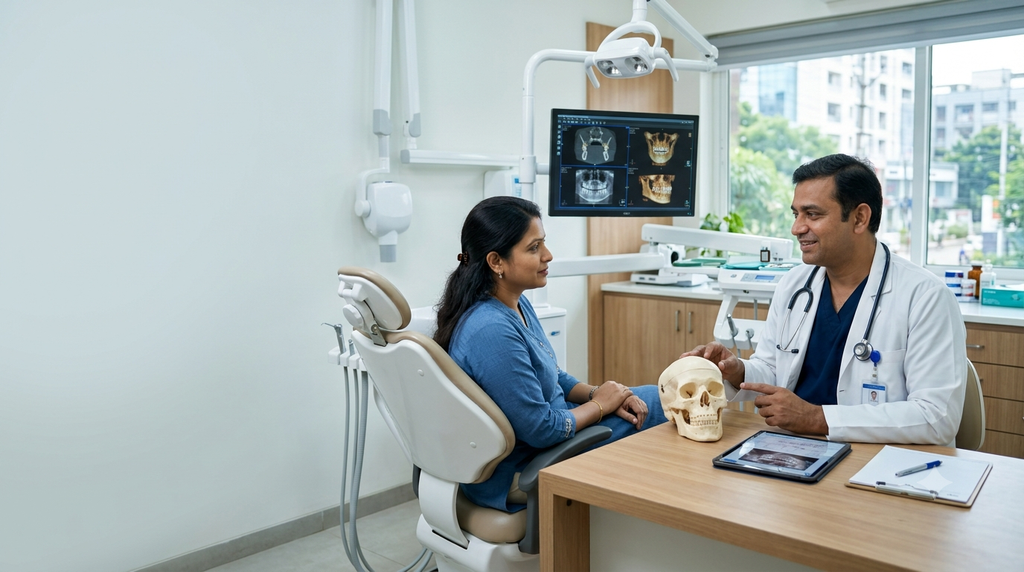
Imagine waking up one morning with a dull ache at the back of your jaw. Over the next few days, the pain intensifies, your face begins to swell, and even sipping water becomes uncomfortable. You visit your dentist, who takes an X‑ray and tells you that your wisdom tooth is severely impacted and needs surgical removal. You are now faced with a critical decision: who will perform your surgery?
An oral and maxillofacial surgeon in Cuttack is not just a dentist who performs extractions. These specialists undergo years of advanced training to treat complex conditions of the face, mouth, and jaws. Choosing the right surgeon can make the difference between a smooth recovery and unnecessary complications.
This guide will walk you through everything you need to know—from understanding what these surgeons do, to evaluating their qualifications, experience, facilities, and safety standards—so you can make an informed, confident choice for your oral health.
What Does an Oral and Maxillofacial Surgeon Treat?
Oral and maxillofacial surgery (OMFS) is a recognised surgical specialty of dentistry that deals with the diagnosis and treatment of diseases, injuries, and defects affecting the face, mouth, and jaws. In India, OMFS is a dental specialisation that requires a Bachelor of Dental Surgery (BDS) degree followed by a three‑year Master of Dental Surgery (MDS) programme in Oral and Maxillofacial Surgery.
A qualified oral surgeon in Cuttack can treat a wide range of conditions, including:
- Impacted wisdom teeth – teeth that fail to erupt properly and become trapped in the jawbone
- Complex tooth extractions – for teeth with curved roots, fractures, or other complications
- Dental implant‑related surgery – placement of artificial tooth roots to support crowns, bridges, or dentures
- Jaw problems – including temporomandibular joint (TMJ) disorders and misaligned jaws
- Facial injuries and trauma – fractures of the jaw, cheekbones, or eye sockets
- Oral cysts and tumours – benign and malignant growths in the mouth or jaw
- Corrective jaw surgery (orthognathic surgery) – to correct bite problems and facial asymmetry
- Facial infections – severe dental infections that spread to the face and neck
- Cleft lip and palate repair – reconstructive surgery for congenital defects
The Dental Council of India (DCI) has also included facial aesthetic procedures and selected hair‑restoration procedures limited to the cranio‑maxillofacial region within the scope of practice for OMFS specialists.
How to Choose the Right Oral and Maxillofacial Surgeon in Cuttack
Choosing a maxillofacial surgeon in Cuttack requires careful evaluation. Here is a detailed checklist to guide your decision:
1. Qualifications and Specialist Training
The foundation of safe surgical care is proper education and training. Look for a surgeon who has:
- A BDS (Bachelor of Dental Surgery) degree from a recognized university
- An MDS (Master of Dental Surgery) in Oral and Maxillofacial Surgery – a three‑year postgraduate programme that includes a research dissertation and practical examinations
- Registration with the Dental Council of India or the state dental council
Some surgeons may also hold additional fellowships or have completed advanced training in areas such as cleft lip and palate, onco surgery, trauma, or orthognathic surgery. While not mandatory, these credentials demonstrate a commitment to continued professional development.
2. Surgical Experience
Experience matters—especially when it comes to complex oral and facial procedures. Ask potential surgeons about:
- Their total years of practice since completing their MDS
- How many similar procedures they have performed
- Their annual surgical volume for the specific procedure you need
3. Experience with Your Specific Procedure
A surgeon may be highly experienced in one area but less so in another. If you need jaw correction surgery, for example, look for a surgeon who routinely performs orthognathic procedures. If you need dental implants, ask about their implant placement volume and whether they also manage bone grafting or sinus‑lift procedures when needed.
4. Hospital or Clinic Facilities
The quality of the facility where your surgery will be performed is just as important as the surgeon’s skill. Consider:
- Whether the clinic or hospital is accredited and follows recognized safety standards
- The availability of operation theatres with proper surgical equipment
- Whether the facility has emergency backup in case of complications
- The cleanliness and overall professionalism of the environment
5. Diagnostic and Imaging Facilities
Accurate diagnosis is the cornerstone of successful surgery. A good oral and maxillofacial surgery practice in Cuttack should have access to modern imaging technology, such as:
- Digital X‑rays (OPG – orthopantomogram) for a panoramic view of the jaws and teeth
- CBCT (Cone Beam Computed Tomography) – a 3D imaging system that provides detailed views of bone structure, nerve pathways, and tooth positioning
- Intraoral cameras for detailed examination of the mouth
These tools allow the surgeon to plan your procedure with precision and minimise risks.
6. Sterilisation and Infection‑Control Standards
Surgical safety depends heavily on rigorous sterilization practices. When you visit a clinic, observe whether:
- Instruments are sterilized in autoclaves and packed in sterile pouches
- The surgical area is clean and well‑maintained
- Staff follow hand‑hygiene protocols and wear appropriate protective gear
- Disposable items are used whenever possible
Do not hesitate to ask the clinic about their sterilisation protocols—a reputable surgeon will be transparent about their safety practices.
7. Anaesthesia and Patient‑Safety Arrangements
Many oral and maxillofacial procedures require anaesthesia—ranging from local anaesthesia to conscious sedation or general anaesthesia. Ensure that:
- The surgeon is trained and qualified to administer the type of anaesthesia you will receive
- The facility has monitoring equipment (pulse oximeter, ECG, blood pressure monitor) during surgery
- There is a qualified anaesthetist on‑site for complex procedures or general anaesthesia
- Emergency resuscitation equipment is readily available
8. Communication and Consultation Quality
A good surgeon takes the time to understand your concerns and explain your options. During your consultation, pay attention to whether the surgeon:
- Listens to your symptoms and medical history attentively
- Explains the diagnosis in clear, simple language
- Describes the procedure, including what to expect before, during, and after surgery
- Discusses risks and alternatives openly and honestly
- Answers your questions without rushing or dismissing your concerns
9. Transparent Explanation of Treatment Options
You should never feel pressured into a particular treatment. A trustworthy oral and maxillofacial surgeon in Cuttack will present you with all viable options including the possibility of non‑surgical management and help you understand the pros and cons of each. The final decision should always be yours, based on informed consent.
10. Reviews and Reputation
Patient reviews and word‑of‑mouth recommendations can provide valuable insights. Look for:
- Testimonials from patients who have undergone similar procedures
- Before‑and‑after photographs (with patient consent) that demonstrate the surgeon’s work
- Referrals from your general dentist or physician
- Feedback on platforms like Practo, Lybrate, or Google Reviews
Keep in mind that no surgeon will have a perfect record—but a pattern of positive feedback and satisfied patients is a good sign.
11. Follow‑Up and Post‑Operative Care
Recovery does not end when you leave the operating room. Ask about:
- The follow‑up schedule after surgery
- Availability of the surgeon or their team for post‑operative questions or concerns
- Instructions for wound care, diet, medication, and activity restrictions
- What to do in case of complications or emergency after hours
12. Treatment Cost and Transparency
The cost of oral and maxillofacial surgery in Cuttack varies widely depending on the procedure, complexity, diagnostics, anaesthesia, facility fees, and follow‑up care. Minor procedures may start around ₹2,500–₹3,000, while complex jaw surgeries can range from ₹2.5 lakh to ₹6 lakh or more.
A reputable surgeon will provide a detailed, itemised cost estimate before you commit, explaining exactly what is included and what might incur additional charges. Avoid clinics that are vague about pricing or pressure you to pay upfront without a clear breakdown.
Why Specialist Experience Matters
Oral and maxillofacial surgeons operate in a complex anatomical region that includes vital structures such as nerves, blood vessels, and the airway. Even a seemingly routine wisdom tooth extraction can become challenging if the tooth is positioned close to the inferior alveolar nerve.
Specialist experience matters because:
- Complication rates are lower when surgeons perform procedures they do regularly
- Recovery times may be shorter with experienced surgical technique
- Complex cases (such as impacted teeth, jaw deformities, or tumours) require advanced skills that only come with years of dedicated practice
When you choose a qualified oral surgeon in Cuttack with substantial experience in your specific condition, you are investing in better outcomes and greater peace of mind.
Questions to Ask an Oral and Maxillofacial Surgeon Before Surgery
During your consultation, ask these practical questions to evaluate the surgeon and the practice:
- What are your qualifications and how long have you been practising?
- How many times have you performed this specific procedure?
- What anaesthesia options are available, and who will administer the anaesthesia?
- What imaging or diagnostic tests will be used to plan my surgery?
- What are the risks and potential complications of this procedure?
- What alternatives to surgery exist, and why do you recommend this approach?
- What will my recovery look like, and how much time should I take off work or daily activities?
- What is the total estimated cost, and what does it include?
- Do you have before‑and‑after photos of similar cases I can see?
- What happens if I experience problems after hours or on weekends?
A surgeon who provides clear, honest, and thorough answers is likely to be someone you can trust.
Red Flags to Watch Out For
Be cautious if you encounter any of these warning signs:
- Pressure to undergo unnecessary treatment a trustworthy surgeon will not push you into a procedure you do not need
- Lack of clear explanation – if the surgeon cannot or will not explain your condition and treatment options in plain language, that is a concern
- Unclear pricing – vague estimates, hidden fees, or reluctance to provide a written cost breakdown
- No discussion of risks or alternatives every surgical procedure carries risks, and you deserve to know them
- Poor hygiene or safety practices – dirty facilities, unsterilised instruments, or staff who do not follow infection‑control protocols
- Promises of guaranteed outcomes – no ethical surgeon can guarantee a perfect result, and anyone who does is being dishonest
When Should You See an Oral and Maxillofacial Surgeon?
You may need to see a jaw surgeon in Cuttack if you experience:
- Persistent jaw pain or difficulty opening your mouth
- Swelling of the face, jaw, or gums that does not resolve
- Impacted wisdom teeth causing pain, infection, or damage to adjacent teeth
- Missing teeth that may require dental implants
- Facial trauma from an accident or injury
- Difficulty chewing, speaking, or breathing due to jaw misalignment
- Oral lumps, bumps, or growths that need evaluation
- Recurrent facial infections of dental origin
If your general dentist identifies any of these issues, they will likely refer you to an oral and maxillofacial surgeon for specialist care.
How Much Does Oral and Maxillofacial Surgery Cost in Cuttack?
The cost of oral surgery in Cuttack depends on several factors:
- Type and complexity of the procedure – simple extractions cost less than corrective jaw surgery
- Diagnostic imaging – CBCT scans and other advanced imaging add to the cost
- Anaesthesia – local anaesthesia is less expensive than conscious sedation or general anaesthesia
- Facility fees – hospital‑based surgery may cost more than clinic‑based procedures
- Surgeon’s expertise and experience – highly experienced surgeons may charge higher fees
- Follow‑up care – including medications, dressings, and post‑operative visits
While it is difficult to give a fixed price without a clinical evaluation, minor oral surgeries may start around ₹2,500–₹3,000, while complex jaw surgeries can range from ₹2.5 lakh to ₹6 lakh or more. Always request a written estimate before proceeding.
Why Choosing a Local Specialist in Cuttack Can Be Convenient
Selecting a maxillofacial surgeon in Cuttack offers several practical advantages:
- Accessibility – you can attend consultations, diagnostic tests, and follow‑up visits without travelling long distances
- Continuity of care – your surgeon and their team will be available for post‑operative support
- Local reputation – it is easier to verify a surgeon’s standing within the community
- Familiarity with regional healthcare infrastructure – local surgeons often have established relationships with hospitals and referral networks
Frequently Asked Questions (FAQs)
1. What is the difference between a dentist and an oral and maxillofacial surgeon?
Ans :- A dentist provides general oral care, including check‑ups, fillings, and routine extractions. An oral and maxillofacial surgeon is a dental specialist who has completed an additional three years of postgraduate training in surgical procedures of the face, mouth, and jaws. They treat complex conditions such as impacted teeth, jaw deformities, facial trauma, and oral pathology.
2. How do I know if I need an oral and maxillofacial surgeon?
Ans :- Your general dentist will refer you to an oral and maxillofacial surgeon if you have a condition that requires surgical expertise beyond routine dental care. Common reasons include impacted wisdom teeth, dental implants, jaw misalignment, facial injuries, oral cysts or tumours, and severe facial infections.
3. Is oral and maxillofacial surgery painful?
Ans :- Surgery itself is performed under anaesthesia, so you will not feel pain during the procedure. After surgery, some discomfort, swelling, and bruising are normal. Your surgeon will provide pain management medications and detailed post‑operative instructions to keep you as comfortable as possible during recovery.
4. How long does recovery take after oral and maxillofacial surgery?
Ans :- Recovery time depends on the procedure. Simple extractions may heal within a few days, while more complex surgeries like jaw correction can take several weeks to months for full recovery. Your surgeon will give you a personalised recovery timeline based on your specific procedure.
5. Can any dentist perform wisdom tooth removal?
Ans :- General dentists can perform simple wisdom tooth extractions. However, if the tooth is impacted, positioned close to nerves, or has curved roots, an oral and maxillofacial surgeon is better equipped to handle the complexity and minimize risks.
6. What should I look for in an oral and maxillofacial surgeon in Cuttack?
Ans :- Look for proper qualifications (BDS + MDS in OMFS), registration with the Dental Council of India, substantial experience with your specific procedure, modern diagnostic facilities, strict sterilisation protocols, transparent communication, and clear cost estimates. Patient reviews and referrals from your dentist are also helpful.
7. How much does wisdom tooth removal cost in Cuttack?
Ans :- The cost varies depending on the complexity of the impaction, the type of anaesthesia used, and the facility where the surgery is performed. Simple extractions may cost a few thousand rupees, while complex impacted wisdom tooth removal can cost significantly more. Always request a detailed estimate from your surgeon.
Conclusion
Choosing the right oral and maxillofacial surgeon in Cuttack is one of the most important decisions you can make for your oral health and overall well‑being. By evaluating a surgeon’s qualifications, experience, facilities, safety standards, and communication style, you can select a specialist who will provide safe, effective, and compassionate care.
Remember: no online guide can replace a personalised clinical evaluation. The information in this article is intended to educate and empower you, but the final treatment decision should always be made in consultation with a qualified oral and maxillofacial surgeon who has examined you in person.
Take your time, ask the right questions, and choose a surgeon who makes you feel informed, respected, and confident in your care.
Meet your Oral and maxilofaciall Surgeon : Dr. Chinmayee Chidanandini Kar
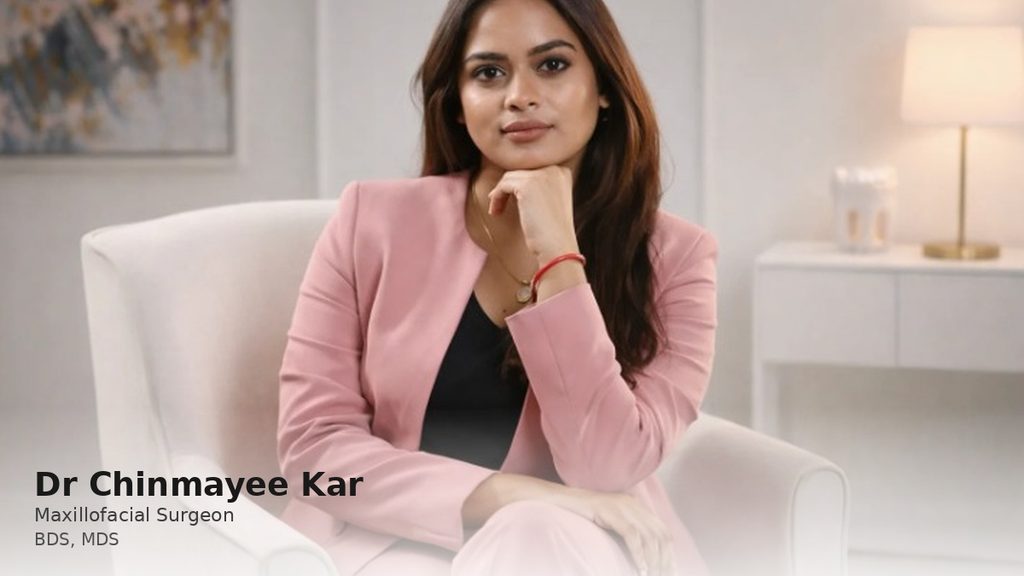
Dr. Chinmayee Chidanandini Kar is a qualified Oral and Maxillofacial Surgeon and Dental Surgeon in Cuttack, Odisha. She holds a Bachelor of Dental Surgery (BDS) and a Master of Dental Surgery (MDS) degree from the Institute of Dental Science, SOA University. She is registered with the Dental Council of India (Regd. No: 2140(A)).
Dr. Kar has extensive experience as a Maxillofacial Surgeon at SCB Medical College, Cuttack, and currently serves as a Senior Dentist at Pearl Aesthetics Dental Clinic. Her areas of expertise include dental implants, wisdom tooth extractions, impaction surgery, sinus lift, minor oral surgeries, hair transplant, maxillofacial trauma management, pre-prosthetic procedures, and laser applications.
She has completed advanced fellowships in Endodontics and Implantology and has actively participated in various national conferences and public health awareness programmes. Dr. Kar is a member of the Association of Oral and Maxillofacial Surgeons of India (AOMSI).
Dr. Chinmayee Chidanandini Kar
Address :- C446, Eye Hospital Road, above Urban Cooperative Bank, CDA Sector VI, Cuttack, Odisha 753014.
Visit Location :- https://maps.app.goo.gl/BgnT2o1UfsJdDfcV9