
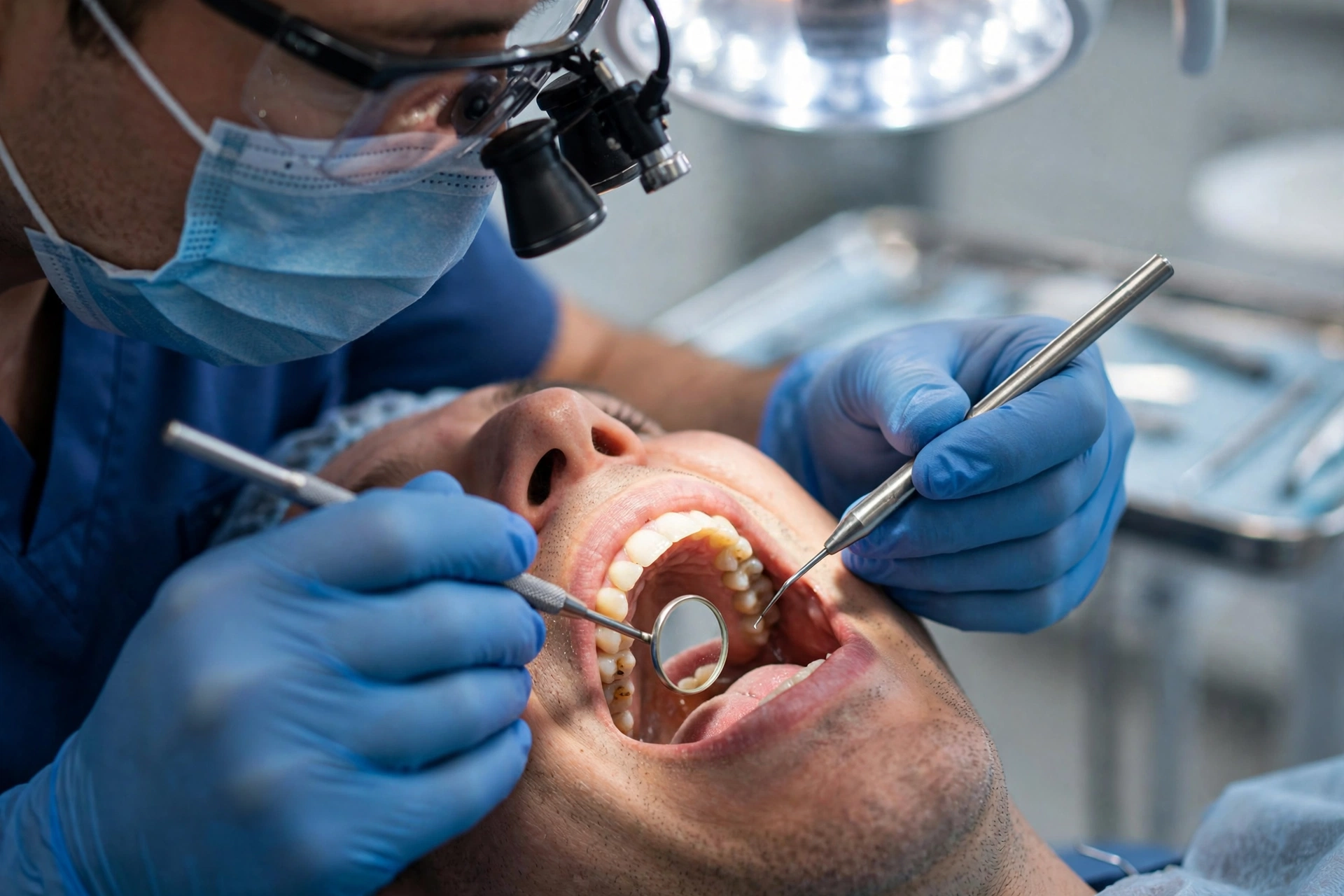
It might begin as a small, painless white patch on the inside of the cheek, a stubborn ulcer that lingers longer than expected, or a tiny lump you notice while brushing. Most changes inside the mouth are harmless and resolve on their own, but some persistent or unusual lesions may need a closer look. If you have been advised to consider an oral biopsy doctor in Cuttack, you likely have questions and perhaps some concern. An oral biopsy is a diagnostic procedure in which a small sample of oral tissue is examined under a microscope to understand what the lesion represents. It is not automatically a sign of cancer; it is a tool used to get clarity. This article explains when an oral biopsy may be recommended, what it involves, and when to seek professional evaluation from an Oral Biopsy Doctor in Cuttack.
What Is an Oral Biopsy?
An oral biopsy is a medical procedure where a small piece of tissue is removed from the mouth and sent to a pathology laboratory for histopathological examination. The tissue sample is processed, stained, and examined under a microscope by a pathologist. This examination helps identify the nature of the tissue whether it is benign, inflammatory, infectious, precancerous, or malignant.
A biopsy is a diagnostic procedure, not a treatment. It is recommended when clinical examination alone cannot provide a definitive answer. The decision to perform a biopsy depends on the characteristics of the lesion, its location, duration, appearance, and the patient’s medical history.
When Might an Oral Biopsy Be Recommended?
A clinician may consider recommending an oral biopsy in several situations. These include:
- A mouth ulcer that does not heal within the expected timeframe
- Persistent or unexplained oral lesions that do not resolve
- A lump, growth, or thickening in the mouth
- White or red patches that require further evaluation
- Lesions that change in size, shape, colour, or texture over time
- Persistent thickening of oral tissue
- Suspicious lesions identified during a routine oral examination
- Lesions where the diagnosis remains uncertain after clinical assessment
It is important to understand that these findings may have many causes, and a biopsy is not automatically recommended for every lesion. The clinician uses their judgment based on clinical findings, medical history, and established guidelines.
Does Every Mouth Ulcer Require a Biopsy?
No. Many oral ulcers are caused by common, self-limiting conditions such as minor trauma, aphthous ulcers, or infections. These often heal within one to two weeks without intervention. A biopsy is not automatically required for every ulcer.
However, if an ulcer persists beyond the expected healing time, recurs frequently, changes in appearance, or is associated with other concerning findings, further investigation may be recommended. Factors such as persistence, recurrence, location, associated symptoms, medical history, and response to initial management all influence whether a biopsy is considered. If you have an oral lesion that concerns you, professional assessment is the appropriate next step.
What Happens During an Oral Biopsy?
The process typically begins with a clinical examination. The dentist or oral specialist will review your medical and dental history, examine the lesion, and discuss the reasons for recommending a biopsy.
If a biopsy is planned, local anaesthesia is usually administered to ensure comfort. A small tissue sample is then removed. The exact approach depends on the size, location, appearance, and clinical circumstances of the lesion. The specimen is placed in a fixative solution and sent to a pathology laboratory for histopathological examination. Once the report is available, the clinician discusses the findings with you and explains the next steps.
Types of Oral Biopsy
Two commonly used approaches are incisional biopsy and excisional biopsy.
An incisional biopsy involves removing a representative portion of the lesion. This is often used when the lesion is large or when the diagnosis is uncertain and sampling a small area is sufficient for diagnosis.
An excisional biopsy involves removing the entire lesion, usually when it is small and can be completely removed with appropriate margins. The choice between these approaches is determined by the clinician based on the lesion characteristics and diagnostic requirements.
Note :- Neither method is universally preferable; each has specific indications.
What Can an Oral Biopsy Help Determine?
Tissue examination can help distinguish between different types of oral conditions. Depending on the clinical situation, a biopsy may help evaluate:
- Benign tissue changes such as fibromas or papillomas
- Inflammatory conditions
- Infectious or reactive changes
- Precancerous or potentially malignant changes
- Malignant conditions
- Other less common pathological conditions
A biopsy does not mean that cancer is present. It is a diagnostic tool used to identify the nature of abnormal tissue. The results guide appropriate management, whether that involves monitoring, medication, or further treatment.
When Should You See a Dentist or Oral Specialist?
Professional evaluation may be appropriate if you notice any of the following:
- Persistent mouth ulcers that do not heal
- A lump or unusual growth in the mouth
- Persistent white or red patches
- Unexplained changes in oral tissue
- Persistent pain or discomfort
- Unexplained bleeding
- Difficulty swallowing or chewing
- Changes that do not resolve as expected
- A lesion that changes in size, shape, colour, or texture
These signs can have multiple causes, and only a clinical examination can determine their significance. Do not attempt to self-diagnose or self-treat. If you are in Cuttack and notice any of these changes, consider scheduling an oral lesion evaluation in Cuttack with a qualified professional.
Oral Biopsy vs Oral Cancer Diagnosis
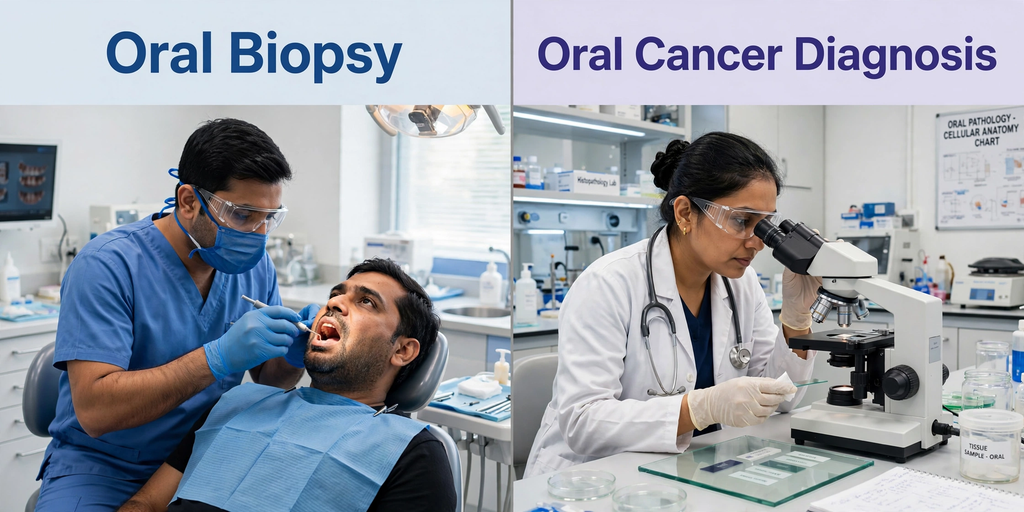
A common misconception is that being advised to undergo a biopsy means you have cancer. This is not true. An oral biopsy is a diagnostic procedure. The pathology examination is used to identify what the tissue represents. Many biopsies show benign or inflammatory changes that are not cancerous. If malignant or precancerous changes are identified, further treatment is planned based on the clinical and pathological findings.
What to Ask Before an Oral Biopsy
Before undergoing a biopsy, consider asking your clinician the following questions:
- Why is a biopsy being recommended?
- What type of lesion is being evaluated?
- What type of biopsy is being considered?
- Where will the tissue be examined?
- When can I expect the pathology report?
- What happens after the report is available?
- Will additional evaluation be required?
- What follow-up should I attend?
These questions can help you understand the process and feel more informed about your care.
Taking the Next Step
If you have a persistent or unexplained oral lesion, a professional examination can help determine whether further investigation, including a biopsy, is appropriate. Do not ignore changes that linger or worsen. Schedule an oral health consultation in Cuttack with a qualified dentist or oral medicine specialist. Early evaluation can provide answers and help you make informed decisions about your oral health.
Frequently Asked Questions
1. What is an oral biopsy?
Ans :- An oral biopsy is a diagnostic procedure in which a small sample of tissue is removed from the mouth and examined under a microscope to determine the nature of the lesion.
2.When is an oral biopsy recommended?
Ans :- It may be recommended when a lesion persists, changes, or has features that cannot be diagnosed by clinical examination alone. The decision depends on the clinician’s assessment.
3. Does an oral biopsy mean I have oral cancer?
Ans :- No. A biopsy is a diagnostic tool. Many biopsies show benign or inflammatory changes. It does not automatically mean cancer is present.
4. Does every mouth ulcer require a biopsy?
Ans :- No. Many ulcers heal on their own. A biopsy may be considered if an ulcer persists, recurs, or has concerning features.
5. How is an oral biopsy performed?
Ans :- After local anaesthesia, a small tissue sample is removed and sent to a pathology laboratory. The exact technique depends on the lesion.
6. How long does an oral biopsy report take?
Ans :- The time varies depending on the laboratory and the complexity of the examination. Your clinician will inform you when to expect the report.
7. Who should I consult for a suspicious oral lesion in Cuttack?
Ans :- Consult a qualified dentist or oral medicine specialist. They can evaluate the lesion and determine whether a biopsy or other investigation is needed.
8. What happens after an oral biopsy?
Ans :- Once the report is available, your clinician will discuss the findings and recommend appropriate follow-up or treatment based on the results.
Conclusion
If you notice a persistent oral ulcer, an unusual lump, or any lesion that does not heal as expected, do not ignore it. Consulting a qualified oral biopsy doctor in Cuttack can help determine whether further evaluation, including a biopsy, is appropriate. Early professional assessment provides clarity, guides timely management, and supports better oral health outcomes.
Are You Searching for Oral Biopsy Doctor in Cuttack : Dr Chinmayee Kar

Are you searching for an oral biopsy doctor in Cuttack? Dr. Chinmayee Kar is an oral and maxillofacial surgeon (MDS) and Senior Dental Surgeon at Pearl Aesthetics Dental Clinic. With experience at SCB Medical College, she provides expert oral lesion evaluation, biopsy procedures, and mouth lesion diagnosis. Consult her for timely assessment of persistent oral changes.
Contact Dr Chinmayee Kar Today and Get an Expert Consultation Today
Pearl Aesthetics | Dental Clinic | Implant
Address :- C446, Eye Hospital Road, above Urban Cooperative Bank, CDA Sector VI, Kataka, Odisha 753014
Visit Location :- https://maps.app.goo.gl/vgB9GUeUQXpkgzJy6